
Lead-Safe Window Replacement in Pre-1978 Grand Rapids, MI Homes
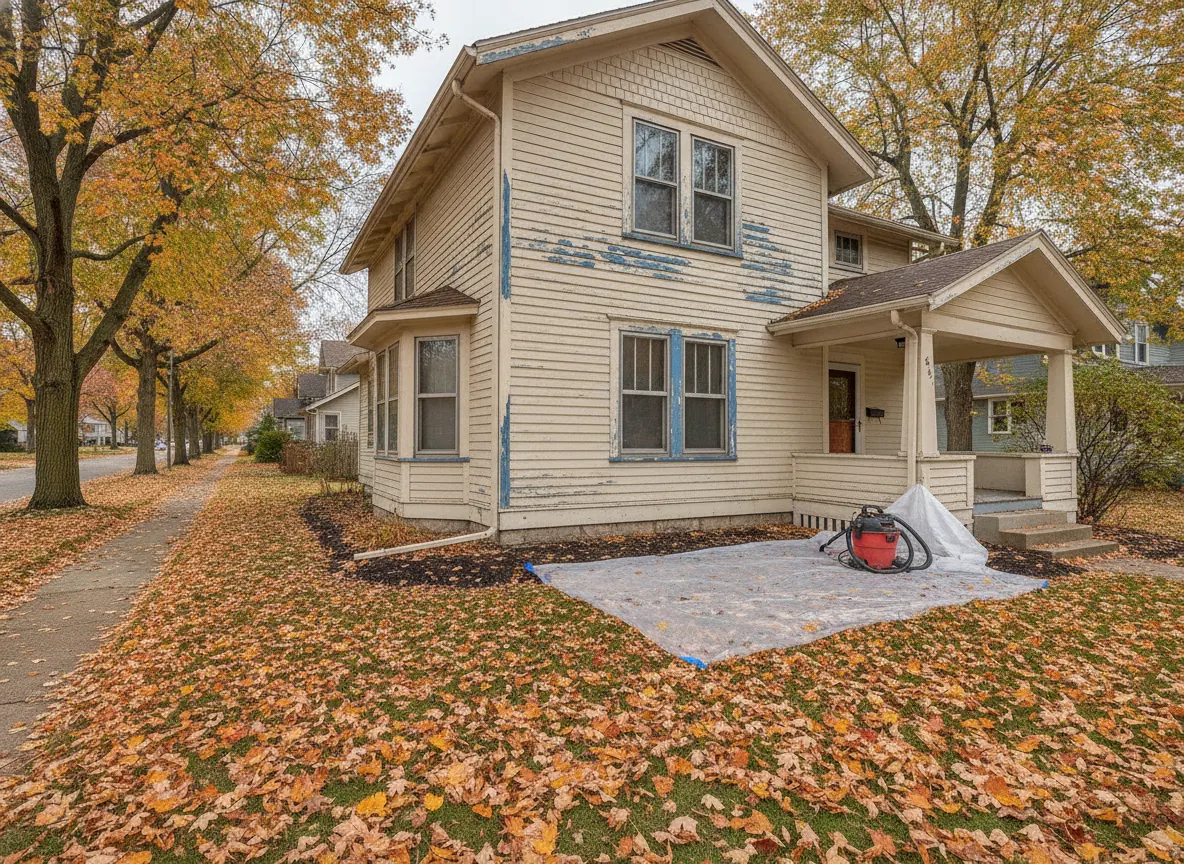
If your Grand Rapids home was built before 1978, federal law requires the company replacing your windows to be an EPA Lead-Safe Certified Firm, and the EPA runs that program directly in Michigan. Window replacement doesn’t count as a small “minor repair” job under the rule, so lead-safe window replacement applies to nearly every window project in an older Michigan house. In Grand Rapids, that’s most houses.
This guide covers who the rule applies to, how it plays out in different parts of the metro, what Grand Rapids adds for rentals, and what to ask installers.
Why lead-safe rules matter so much in Grand Rapids
Grand Rapids is a pre-war city. Census data (ACS 2020–2024) puts the median home at 1953, with 37.5% of homes built before 1940 and 75.7% before 1980. The Census groups homes by decade, so “before 1980” is the closest stand-in for the 1978 cutoff. Across the metro it varies a lot:
| Area | Median year built | Homes built before 1980 |
|---|---|---|
| East Grand Rapids | 1954 | 92.6% |
| Grand Rapids | 1953 | 75.7% |
| Jenison | 1973 | 75.0% |
| Wyoming | 1969 | 64.3% |
| Holland | 1966 | 63.1% |
| Kentwood | 1983 | 45.0% |
| Walker | 1984 | 45.1% |
| Rockford | 1992 | 40.8% |
So a Heritage Hill Victorian, an East Grand Rapids colonial and a 1960s Jenison ranch are all likely inside the rule. A 1990s house in Rockford or a newer build in Byron Center usually isn’t. The year your house was built is what counts, not how old the windows are.
What the federal rule means for a window project
The EPA’s Renovation, Repair and Painting (RRP) program covers paid renovation work in pre-1978 homes. A few points matter for windows:
- The firm needs EPA credentials. Ask the company replacing your windows whether it is an EPA Lead-Safe Certified Firm. Michigan is not one of the states that runs RRP itself, so the EPA handles it here.
- Window replacement isn’t “minor.” The rule has a small-job exemption based on how much painted surface is disturbed, but the EPA says removing a window doesn’t fall under it.
- It’s not abatement. Lead-safe renovation is about how a renovation job is done. Lead abatement, meaning work meant to permanently remove lead hazards, is a separate Michigan program run by MDHHS under the Michigan Lead Abatement Act. Don’t expect a window installer to offer abatement, and be wary of one who does without that separate credential.
Lead-safe work practices are one reason quotes on older homes run differently. Published price ranges for Grand Rapids usually leave them out, which is why our window replacement cost guide lists them as a cost driver rather than a fixed add-on.
Old wood windows: repair first in historic districts
Many of the oldest windows in the city sit in local historic districts, including Heritage Hill, Heartside, Cherry Hill, Wealthy Street and Fairmount Square. There, the city’s 2026 preservation guidelines put repair ahead of replacement and say “glazing, re-roping, fit, glass, paint and efficiency are not cause for replacement.” In other words, peeling paint on an old sash isn’t a reason to tear it out in a historic district.
Outside the districts, repair can still make sense for sound wood sash. Our repair or replace guide and the historic window repair and storm windows page walk through that choice. Either way, it’s still work on a pre-1978 house, so ask the same lead-safe questions.
Grand Rapids rental properties and lead rules
Only about 54% of Grand Rapids homes are owner-occupied, so a lot of window work happens on rentals. Two local points for landlords:
- Chapter 12 rental lead rules. The city adopted lead-paint rules for pre-1978 rentals on June 13, 2023, handled through Rental Certification. The dust-screening requirement is postponed until further notice.
- Free training. The city offers free EPA RRP training, useful for owners who handle their own maintenance.
The city’s Lead Hazard Control program offers up to $20,000 for pre-1978 homes, with income limits and a child under 6 or a pregnant person in the home. Its pages don’t say whether window replacement is covered, so ask the program directly before counting on it.
Questions to ask about lead-safe window replacement
- Is your company an EPA Lead-Safe Certified Firm? Can I see the firm certificate?
- How will you set up and clean up inside and outside the house?
- Is lead-safe work included in this quote, or priced separately?
- Will you replace the full frame or insert into the old one? Full-frame jobs disturb more painted trim.
- Separately: what is your Michigan residential builder or maintenance & alteration license number?
Get the answers in writing and compare them line by line; our quote comparison checklist has room for them.
Lead-safe window questions
Does lead-safe work apply to my Grand Rapids home?
If the home was built before 1978, yes in most cases. Federal rules require the company replacing your windows to be an EPA Lead-Safe Certified Firm, and window replacement is not treated as a minor repair. EPA runs this program in Michigan.
Is lead-safe window replacement the same as lead abatement?
No. Lead-safe renovation rules cover how a window job is done in an older home. Lead abatement is a separate program in Michigan run by MDHHS, with its own credentials. Window installers on this site are not offering abatement.
Are there rules for Grand Rapids rental properties?
Yes. The city adopted Chapter 12 rental lead-paint rules on June 13, 2023, covering pre-1978 rentals through Rental Certification. The dust-screening part is postponed until further notice. The city also offers free EPA renovation training.
Get quotes for an older Grand Rapids home
When you request quotes, say what year your house was built and whether it’s a rental or in a historic district. That way the replies cover lead-safe work from the start. Use our free quote form and independent local window companies can reply, or reach us at call (616) 616-5192.